The difference between a route and a resilient network The last few years have demonstrated how quickly global supply chains can be disrupted.
The difference between a route and a resilient network
The last few years have demonstrated how quickly global supply chains can be disrupted. Port congestion, maritime instability, border closures, and equipment shortages have made one reality increasingly clear: logistics networks built around a single transport mode are vulnerable.
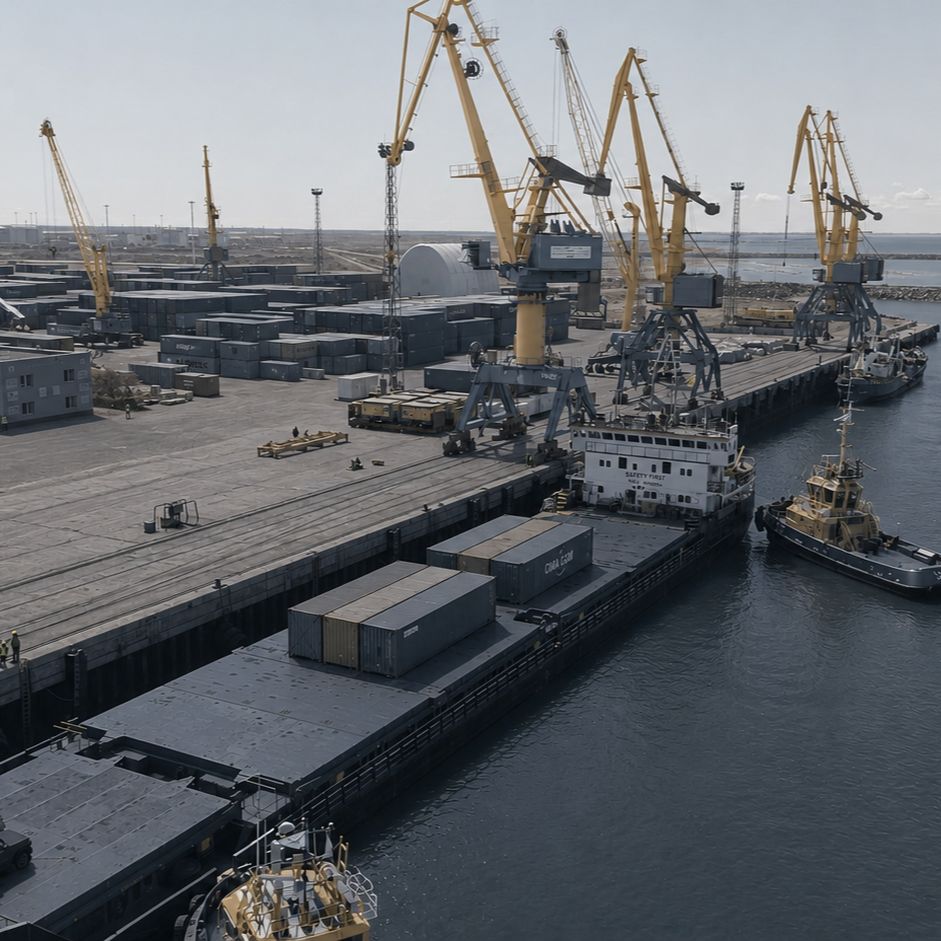
For companies transporting cargo between Europe, Central Asia, and Asia, disruptions along one segment of the route can quickly ripple through the entire corridor. A vessel delay triggered by geopolitical developments can push cargo into congested ports, where backlogs extend waiting times by weeks. Further inland, border slowdowns and capacity shortages create additional pressure on already fragile schedules.
In logistics networks built around a single transport mode, these disruptions amplify each other. Instead of absorbing shocks, the system passes them forward, multiplying their impact across the entire supply chain.
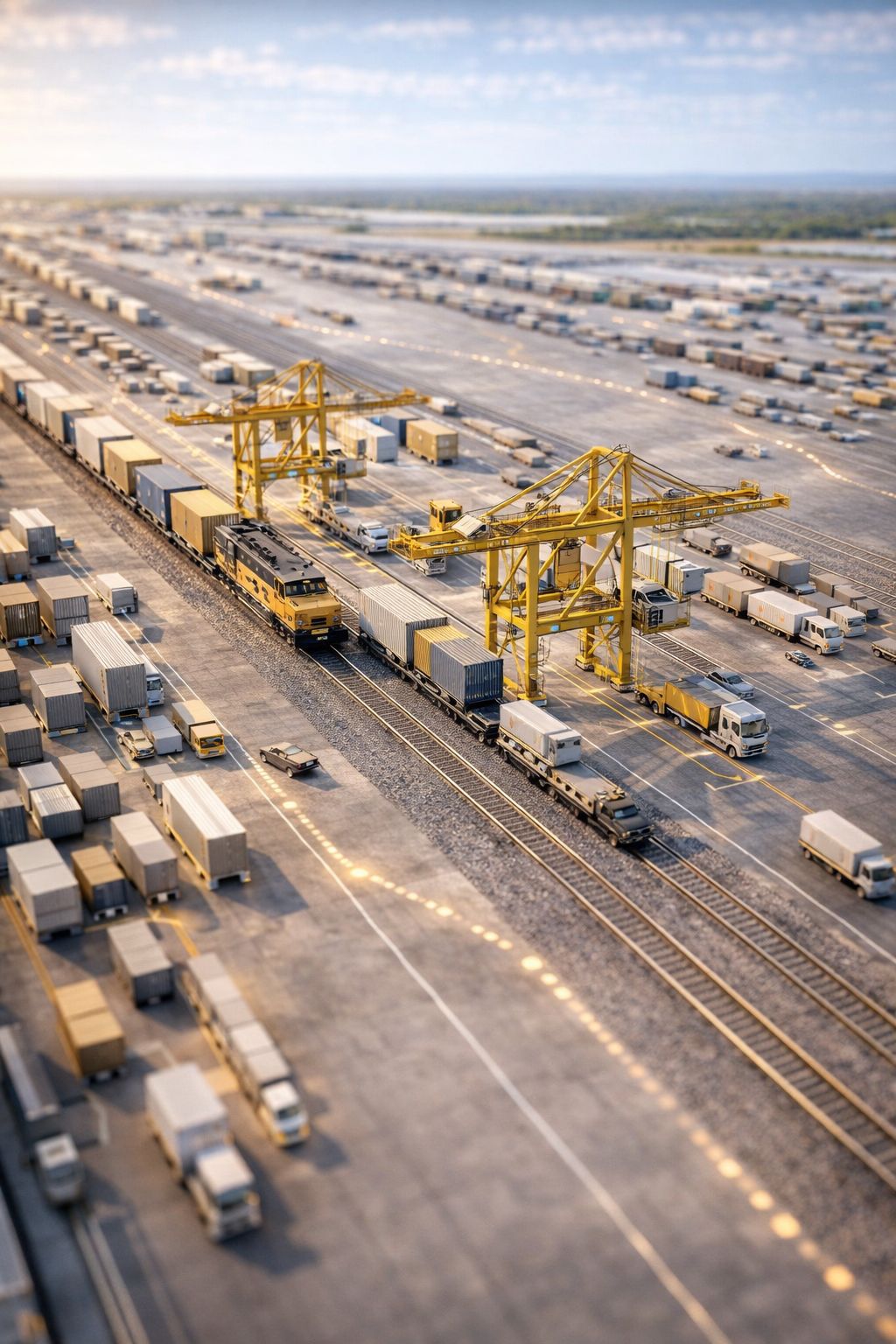
Operators must be able to pivot quickly between transport modes and corridors — shifting cargo from sea to rail, air to road, or road to intermodal solutions depending on operational conditions.
In volatile corridor environments, the ability to adjust routing quickly becomes a strategic advantage. Azurite operates with this flexibility at the core of its logistics model. Shipments are not tied to a single transport mode but structured across multiple alternatives. Sea freight can shift to intermodal rail solutions, while urgent air cargo can move via rapid road transport when conditions require.
With deep regional expertise and a team experienced in complex corridor logistics, this approach allows clients to maintain operational continuity even when disruptions occur.