Eurasian Corridor reliability depends as much on soft infrastructure as physical infrastructure.
Eurasian Corridor reliability depends as much on soft infrastructure as physical infrastructure.
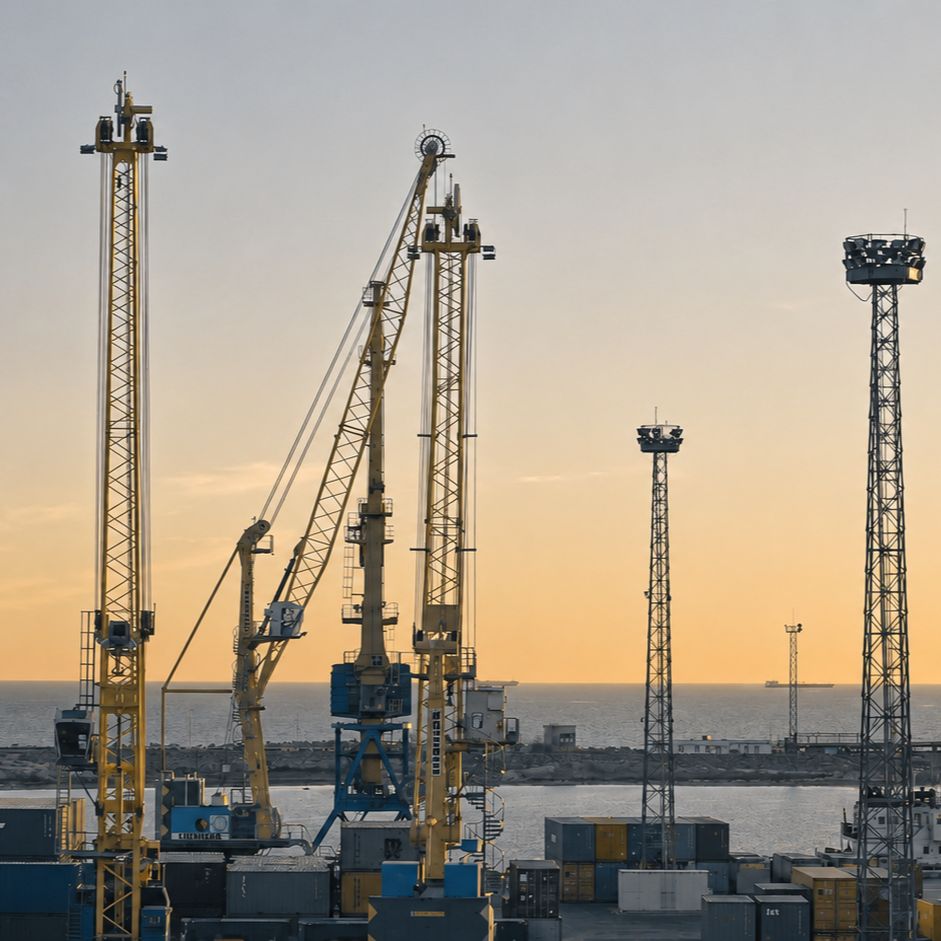
Rail lines, ports, terminals, and vessels define the route. But documentation timing, customs procedures, border coordination, electronic queues, transit guarantees, and local decision-making define how the route performs in practice. Across Türkiye, the Caspian, and CIS-linked flows, these softer operating layers often decide whether cargo moves continuously or waits between systems.
Türkiye-linked routes show this clearly. The corridor depends on compatible rail, port, and customs operations across several countries. When one border point, rail section, or transit procedure is not aligned with the next, the route may remain open while the shipment loses predictability.
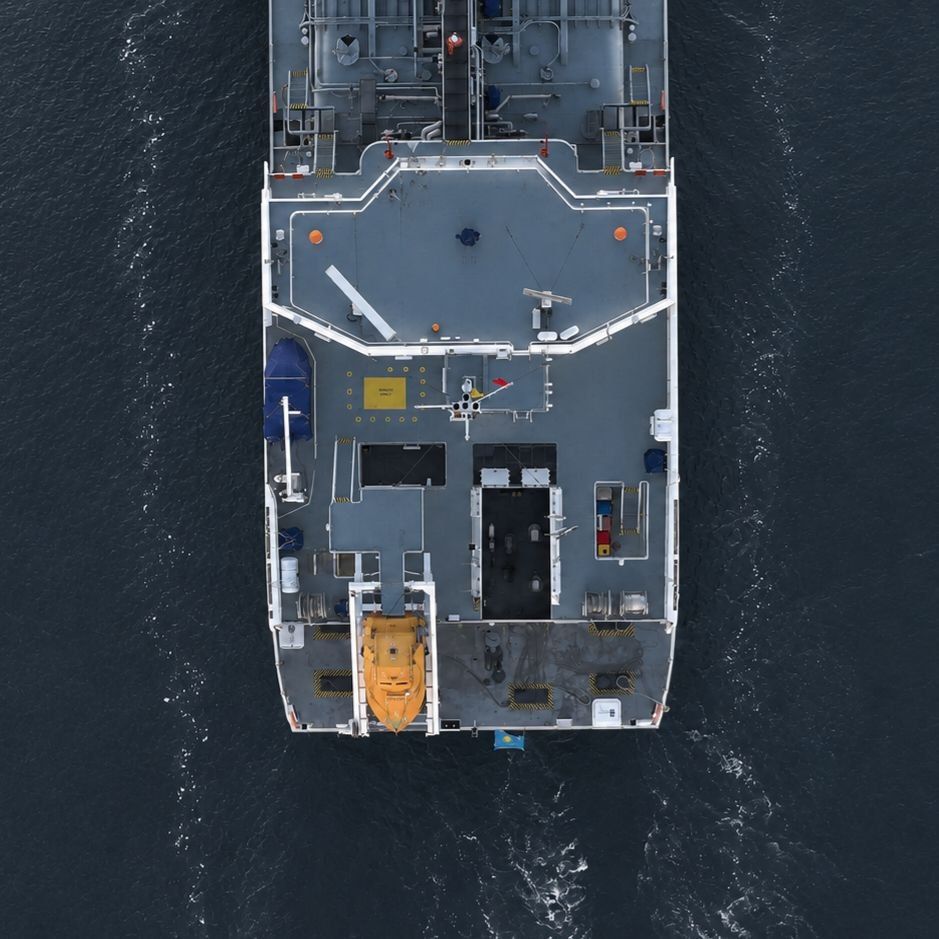
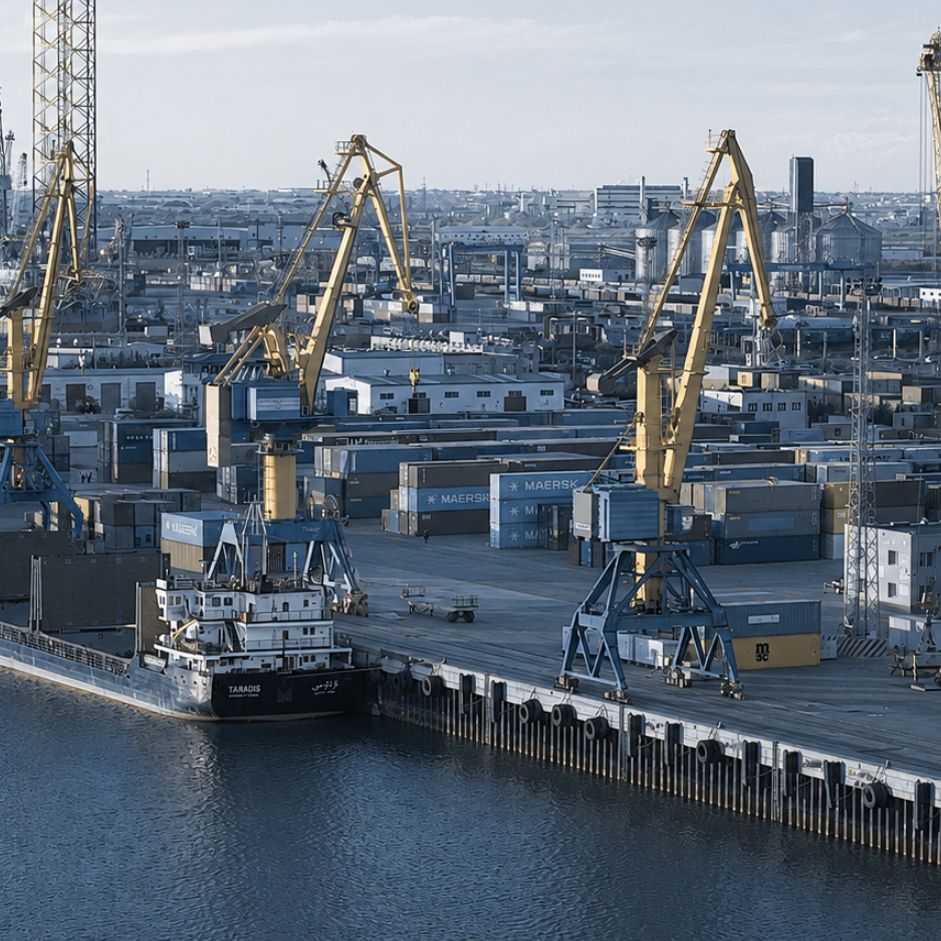
The Caspian adds another layer. Weather, fleet balance, ferry schedules, terminal capacity, and port-to-rail synchronization all influence the crossing. A delay does not always mean one port has failed. It often means several nodes did not connect at the same time.
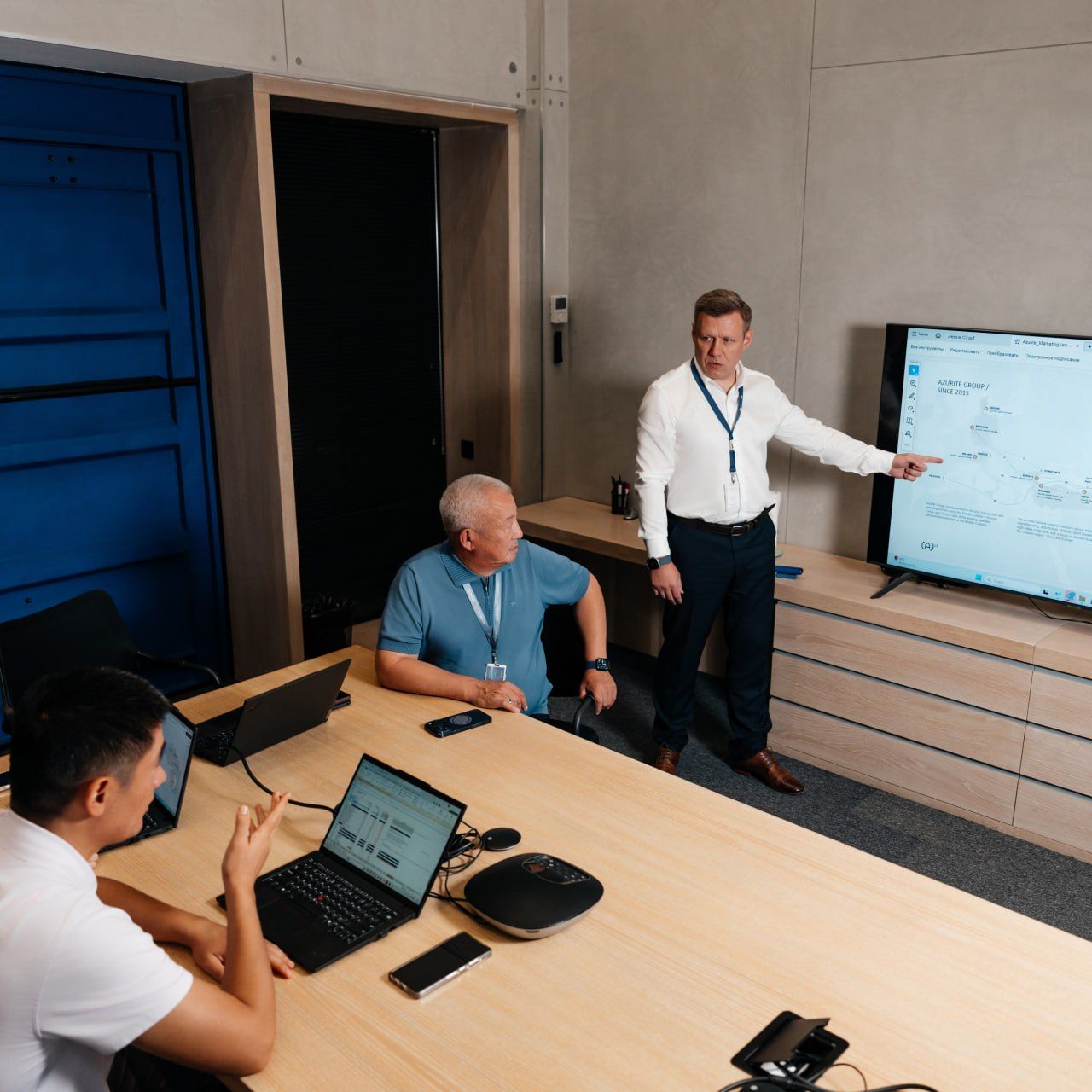
Azurite’s Eurasian Corridor structure is built around this reality. With operational coverage across Kazakhstan, the Caspian gateways, Türkiye, and Europe, Azurite manages multimodal transport, customs coordination, port-side operations, and route communication as one controlled sequence.
In Eurasian logistics, infrastructure creates access. Soft infrastructure creates reliability.