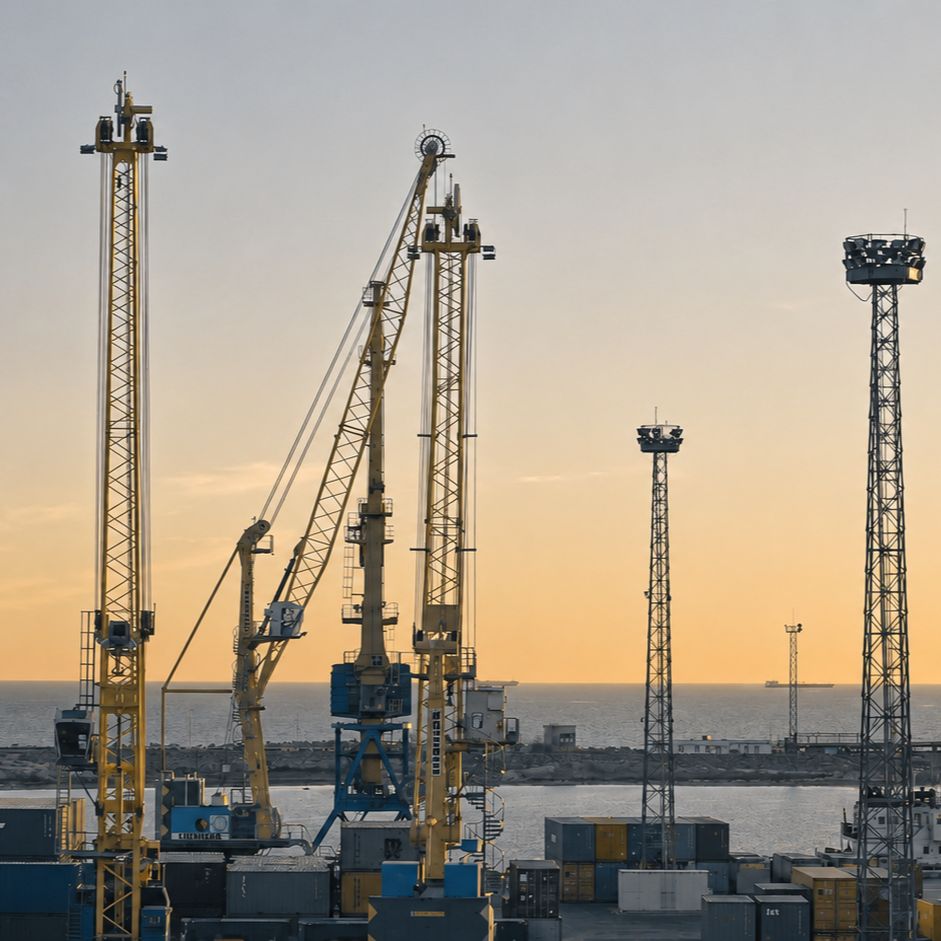
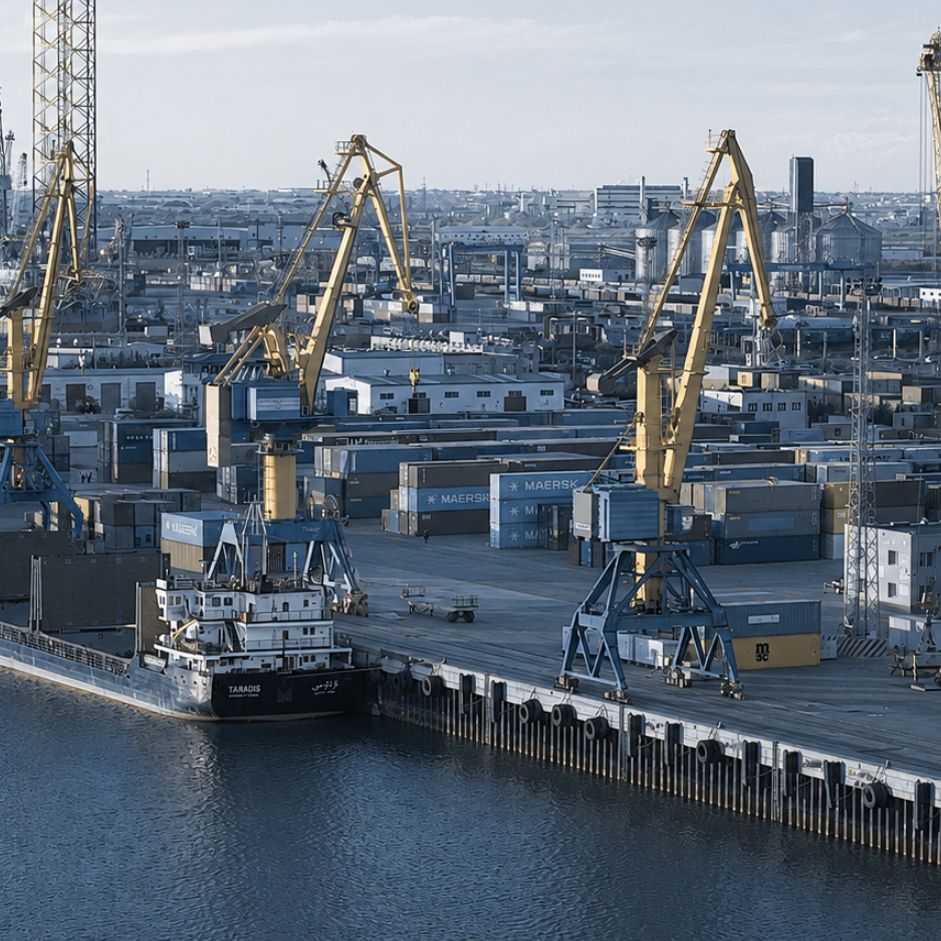
How to tackle Caspian bottleneck?
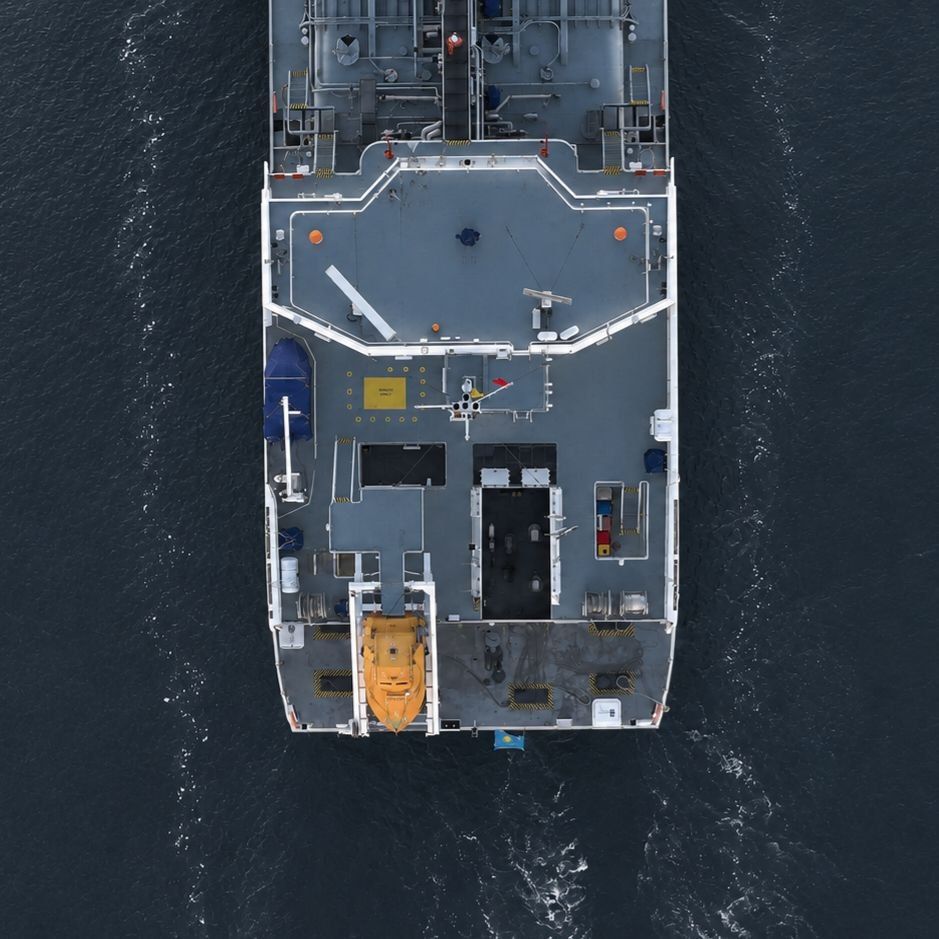
How to tackle Caspian bottleneck?
A common mistake in Eurasian Corridor logistics is to treat every delay at the Caspian crossing as a terminal bottleneck. Port performance matters, but the queue is often driven by a wider operating sequence: vessel depth, sailing frequency, weather conditions, docking windows, cargo arrival patterns, and the timing of customs and transit documents.
This is what makes the crossing structurally sensitive. Rail and road cargo can accumulate faster than maritime capacity can absorb it. When the vessel cycle does not match the cargo flow, waiting time becomes visible at the port, even if the underlying problem is fleet balance.
The strongest operators therefore do not manage the Caspian as a single transshipment task. They manage it as a live interface between inland transport and maritime availability. That means aligning cargo arrival, document readiness, port handling, vessel planning, and onward movement before the queue forms.
Azurite’s presence in Kazakhstan, Aktau, Baku, Türkiye, and Europe gives it practical visibility across the route points that influence this sequence. Its role is to coordinate the crossing from both sides, not only react once cargo is already waiting.
The Caspian is not just a sea leg. It is the point where corridor discipline is tested.