Multimodal Transportation

Multimodal Transportation

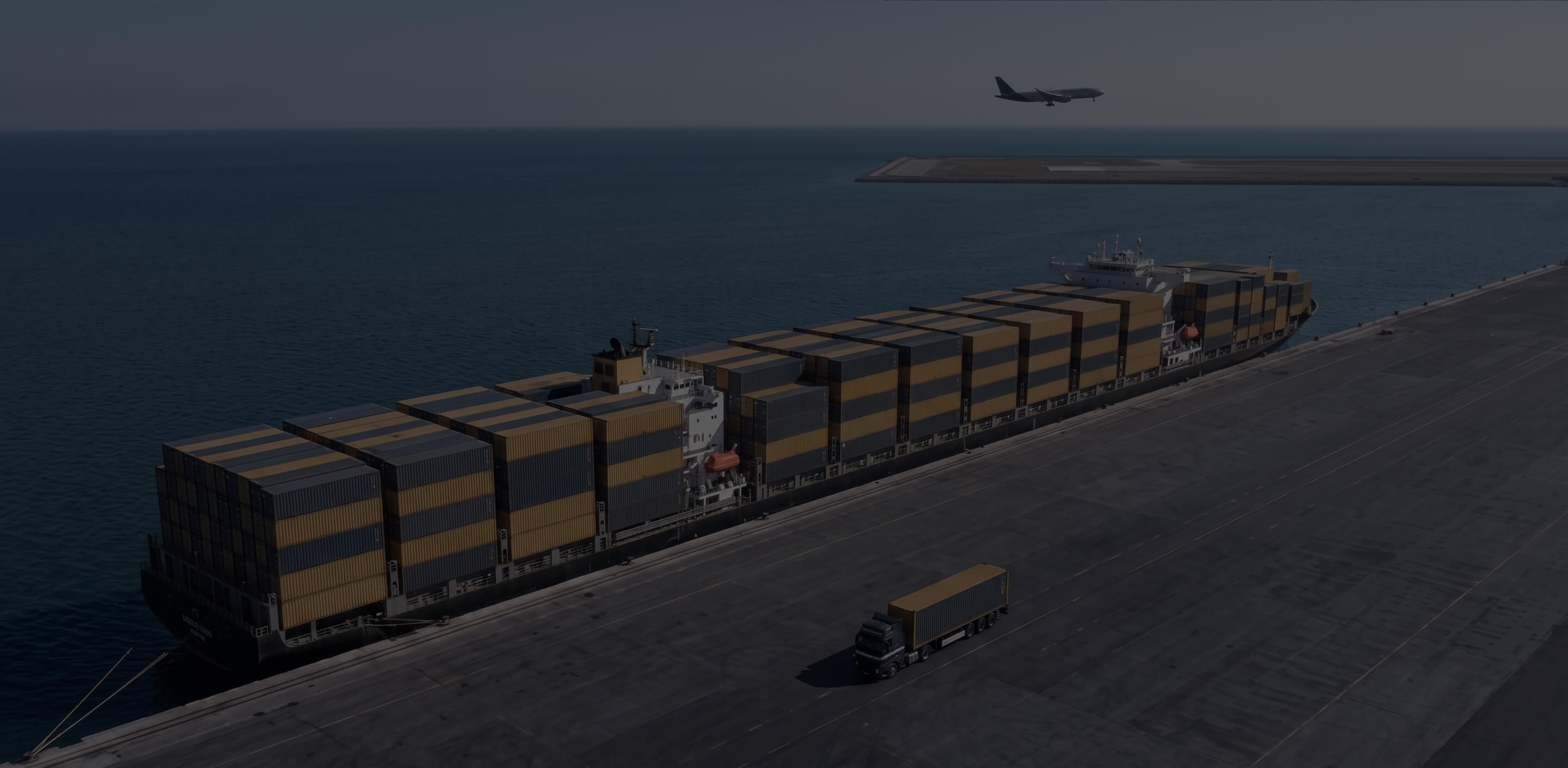
Azurite designs and supports multimodal routes by combining rail, road and sea legs across key sections of the Middle Corridor. The team coordinates pickup, route selection, port handling, the Caspian crossing, transit and customs documents, status tracking and final delivery for cargo flows between Europe, the Caucasus, Central Asia and China.

What is included in multimodal transportation

Azurite manages not only transportation, but also the operational connections between transport modes. This is especially important on routes where cargo passes through several countries, terminals, ports, carriers and customs regimes.

Route design based on timing, cost, cargo and available infrastructure

Cargo pickup from the shipper and arrangement of the first transport leg

Coordination of rail, road and sea parts of the route

Port and terminal handling, including transshipment and temporary storage when needed

Preparation of transport, transit and customs documents

Status updates at key stages of transportation

Delivery to the recipient warehouse and return of the empty container when required by transport terms

Azurite Logistic advantages
01

What Azurite controls in multimodal transportation

One route plan combines cargo pickup, road leg, rail transportation, the Caspian crossing, terminal handling, customs procedures and final delivery with one operational coordination model across all route interfaces.

02

One operational owner of the route

Azurite coordinates carriers, terminals, ports, customs procedures and local offices as one chain. The client gets a single contact point for status, documents, exceptions and route decisions.

03

Balance of timing, cost and route resilience

The route is selected based on origin, cargo type, container availability, port workload, border procedures and delivery timing. This helps avoid choosing a route only by base rate without considering real operational risks.

04

Routes through Europe, the Caucasus, the Caspian and Central Asia

Azurite builds transportation through key Middle Corridor nodes, including European origins, Türkiye, the Caucasus, Caspian ports, Kazakhstan and directions connected with China.

05

Visibility of key transport stages

The client receives status updates at the main control points: pickup, dispatch, terminal arrival, port handling, the Caspian crossing, border crossing, transshipment, arrival and final delivery.

06

Control of transport, transit and customs documents

The team checks the document package before departure and supports formalities at every route stage, reducing the risk of delays at borders, ports or terminals.

What Azurite controls in multimodal transportation
One route plan combines cargo pickup, road leg, rail transportation, the Caspian crossing, terminal handling, customs procedures and final delivery with one operational coordination model across all route interfaces.
One operational owner of the route
Azurite coordinates carriers, terminals, ports, customs procedures and local offices as one chain. The client gets a single contact point for status, documents, exceptions and route decisions.
Balance of timing, cost and route resilience
The route is selected based on origin, cargo type, container availability, port workload, border procedures and delivery timing. This helps avoid choosing a route only by base rate without considering real operational risks.
Routes through Europe, the Caucasus, the Caspian and Central Asia
Azurite builds transportation through key Middle Corridor nodes, including European origins, Türkiye, the Caucasus, Caspian ports, Kazakhstan and directions connected with China.
Visibility of key transport stages
The client receives status updates at the main control points: pickup, dispatch, terminal arrival, port handling, the Caspian crossing, border crossing, transshipment, arrival and final delivery.
Control of transport, transit and customs documents
The team checks the document package before departure and supports formalities at every route stage, reducing the risk of delays at borders, ports or terminals.
Work stages

How transportation is organized

Design the route and check restrictions

We compare available rail, road and sea leg combinations and assess timing, cost, port and border conditions, container requirements, cargo type and documents.

Coordinate pickup and equipment

We arrange container or truck placement and coordinate loading window, shipper address, weight and dimension parameters, packaging requirements and cargo handover instructions.

Prepare transport and customs documents

We check commercial documents, transport instructions, transit requirements and customs data before dispatch to reduce the risk of delays at borders, ports or terminals.

Coordinate interfaces between transport modes

We control transitions between road, rail and sea parts of the route: terminal handling, transshipment, port operations, the Caspian crossing and further cargo movement.

Deliver cargo and close the shipment

We coordinate the final transport leg to the recipient, confirm delivery, hand over final documents and arrange return of the empty container when required by the transport terms.

Cargo requirements

Some cargo can be accepted only after checking the route, permits, packaging, safety documents, carrier requirements and restrictions in transit countries.

Not accepted for transportation

Weapons, ammunition, explosives and goods prohibited for international transportation.

Sanctioned, counterfeit or other cargo that violates the laws of origin, transit or destination countries.

Require prior approval

Dangerous goods
Oversized, heavy and project cargo
Industrial equipment and special machinery
Temperature-sensitive and high-value cargo

Request a quote for Multimodal Transportation

Specify the direction, cargo type, volume, desired timing and additional requirements. The Azurite team will check the route, availability of transport legs, documents and operational restrictions before preparing an offer.